Seams Like Progress: How Fashion Brands Are Finally Designing for Tall Bodies
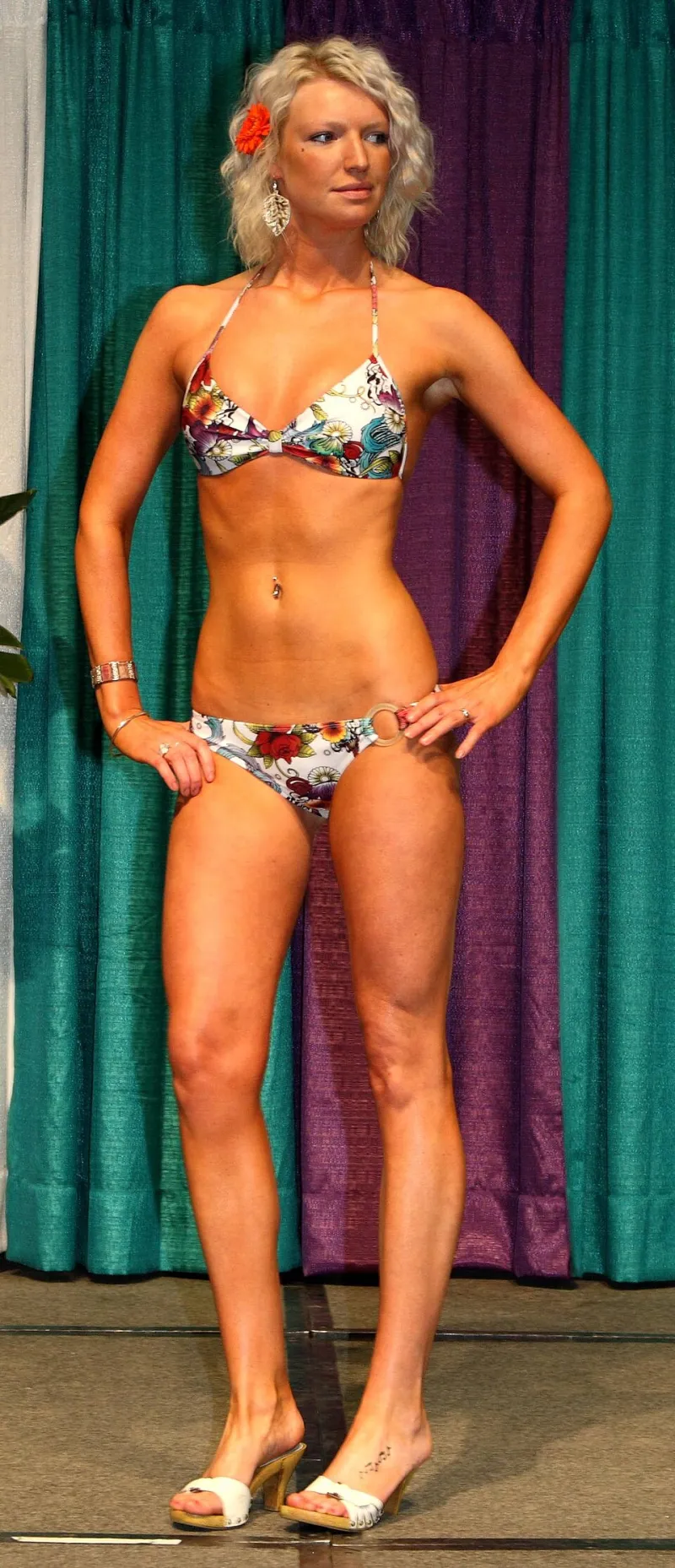
Photo: Frank Kovalchek from USA, CC BY 2.0, via Wikimedia Commons
If you're 6'2" and you've ever tried to buy a dress shirt off the rack, you already know the drill. The sleeves end somewhere near your forearm. The torso fits fine until you raise your arms, at which point the whole thing becomes a crop top. You've been told to "just get it tailored" so many times that you could probably sew the thing yourself by now.
But something is shifting in the fashion industry — slowly, imperfectly, but genuinely. Major retailers are starting to treat tall sizing like an actual design challenge rather than a footnote. And the people who've spent years swimming in ill-fitting fabric are starting to notice.
The Old Model Was Lazy (And Everyone Knew It)
Here's the dirty secret that most fashion brands never wanted to say out loud: for most of retail history, "tall" sizing just meant taking a regular garment and adding a couple inches to the inseam. That was it. The rise point on the pants? Same. The shoulder drop? Same. The torso length? Maybe a half-inch longer if you were lucky.
This approach ignored something pretty fundamental — tall people aren't just scaled-up versions of average-height people. The proportions are different. A 6'4" man doesn't just have longer legs; he likely has a longer torso, broader shoulders, and arms that make standard sleeves look like three-quarter cuts. A 5'11" woman isn't simply a stretched-out 5'5" woman; her hip-to-waist ratio, her bust placement, and the way fabric drapes across her frame all require different construction.
"The industry treated tall sizing like an afterthought for so long," says one New York-based stylist who works primarily with clients over six feet. "It wasn't malicious. It was just that the sample sizes were built for a specific body, and nobody wanted to go back and rebuild the whole pattern."
Who's Actually Getting It Right
The good news? A handful of brands have stopped treating tall sizing as a minor SKU variation and started approaching it as a genuine design category.
American Tall built its entire brand identity around this premise — every piece they make is designed specifically for people between 6'0" and 6'7", with proportions that account for longer torsos, extended sleeves, and inseams that actually reach the ankle. They're not retrofitting standard patterns. They're starting from scratch.
ASOS Tall has become something of a go-to for tall women in the US, with a dedicated line that goes beyond just adding length. The brand has made genuine strides in adjusting where seams hit on the body, which makes a significant difference in how a garment reads on a taller frame.
Banana Republic and J.Crew have both expanded their tall offerings in recent years, with more intentional grading across their men's lines in particular. Are they perfect? No. But the fact that the conversation is happening internally at major retailers is a meaningful shift.
For tall women especially, Long Tall Sally has been a cult favorite for years — a brand that's been doing dedicated tall fashion since the 1970s and has the institutional knowledge to back it up.
The Designer Resistance (Yes, It's Real)
Not everyone in the industry is thrilled about this evolution. There's a longstanding tension in fashion between the creative vision of designers and the practical realities of dressing bodies that don't match the runway ideal.
High fashion has historically been built around a very specific silhouette — and that silhouette isn't always tall in the proportional sense. When a designer creates a look, they're often imagining it on a particular frame, with a hem hitting at a precise point, a waist sitting at a specific height. Adjust those proportions for a taller body and suddenly the design "reads differently," which some designers treat like a creative compromise.
But stylists who work with tall clients push back hard on this framing. "A well-proportioned garment should look great on a tall frame," one LA-based stylist told us. "If the design only works on one body type, that's a design limitation, not a body limitation."
The consumer pressure is starting to win this argument. As tall shoppers become more vocal — on social media, in reviews, in the comment sections of brand Instagram posts — the financial incentive to get proportions right is becoming impossible to ignore.
Practical Solutions for the Problems Tailoring Can't Fix
Even with better brands entering the market, there are still fit challenges that require smart styling rather than shopping your way out of them. A few things worth knowing:
The rise problem is real. Low-rise pants were never designed with tall bodies in mind, and even "mid-rise" on a standard pattern can sit awkwardly on a longer torso. Look for brands that specify rise measurements in their size guides — not just inseam length.
Sleeve length is non-negotiable. A jacket with short sleeves doesn't just look off — it throws off your entire silhouette. Prioritize brands that list sleeve length as a separate measurement, and don't assume "tall" automatically means the sleeves are right.
For tall women, maxi doesn't always mean maxi. A dress labeled "maxi" that hits mid-calf on a 5'4" woman is a midi on someone who's 5'11". Check the intended hem length and the model's height in product photos before buying.
Vertical design elements are your friend. Pinstripes, long lapels, vertical color blocking — these aren't just aesthetic choices. They work with your frame rather than against it.
Tailoring still has a role, just a smaller one. Even with better tall sizing available, a good tailor can handle the finishing touches — taking in a waist, adjusting a hem, nipping a shoulder seam. But you shouldn't need to tailor everything. If you're constantly at the tailor, you're shopping at the wrong brands.
The Bigger Picture
What's happening in tall fashion right now is part of a broader reckoning in the industry around fit diversity. The same forces pushing brands to expand their size ranges are pushing them to think more carefully about height, proportions, and the wide variety of bodies that actually exist in their customer base.
It's not a revolution — not yet. The tall section at most major retailers is still smaller than it should be, the proportions are still sometimes off, and the style options often lag behind what's available in standard sizing. But the direction of travel has changed.
For tall shoppers who've spent years making peace with sleeves that are too short and inseams that give up two inches before they should — this moment is worth acknowledging. The industry is finally, however imperfectly, starting to design for the body you actually have.
And honestly? It's about time.