When Height Works Against You: The Complicated Truth About Tall Athletes
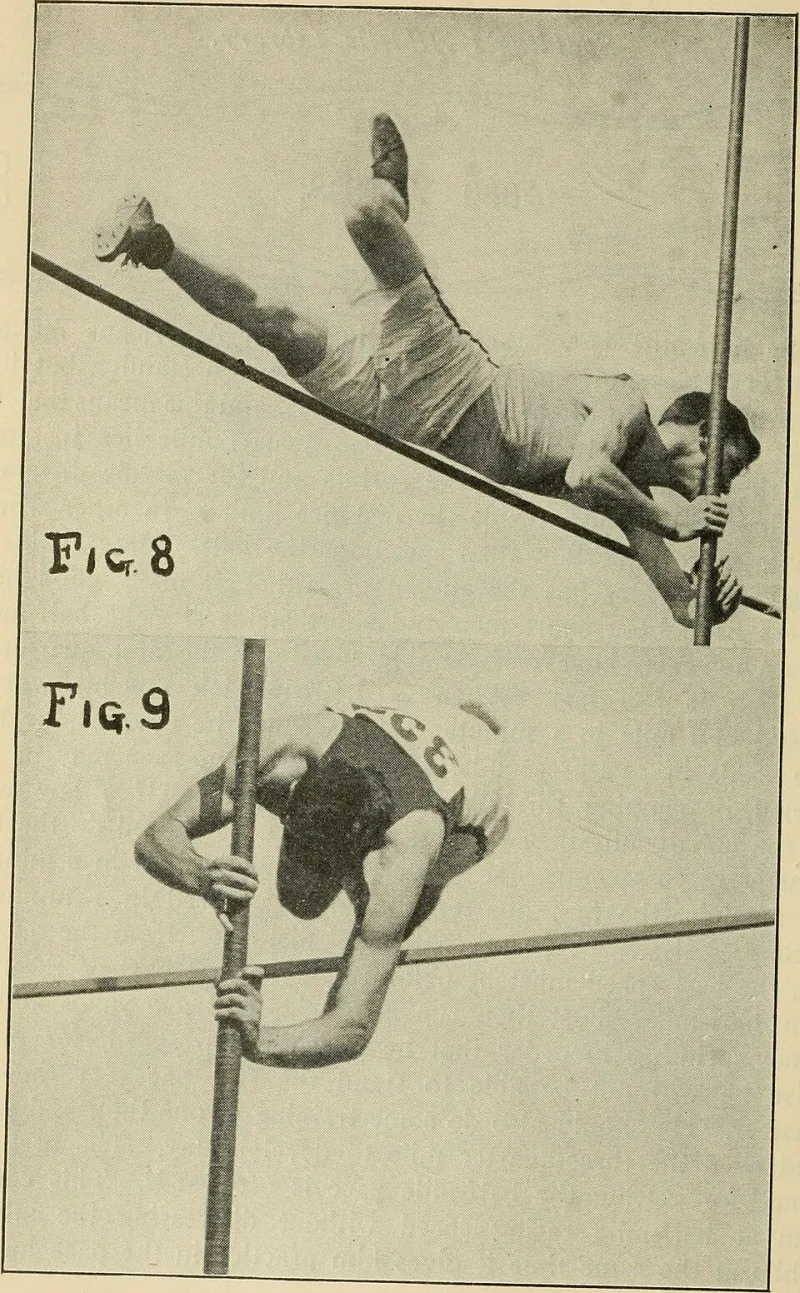
Photo: Internet Archive Book Images, No restrictions, via Wikimedia Commons
There's a version of the American sports dream that goes something like this: you're tall, so you play basketball. Or maybe football. You get recruited, you dominate, you cash checks. Height equals advantage. End of story.
Except it's not the end of the story. Not even close.
The relationship between height and athletic success is way messier than a coach eyeballing a kid in a middle school hallway and thinking that's my center. For every Kevin Durant making a 7-foot frame look like a cheat code, there's a tall athlete somewhere struggling through a sport that just wasn't built for their body — or, more interestingly, thriving in one that nobody expected them to.
The Sports Where Height Is a Golden Ticket
Let's start with the obvious. In basketball, the average NBA player stands around 6'6". Volleyball, rowing, swimming — these are sports where longer limbs translate almost directly into competitive edge. A taller swimmer covers more water per stroke. A taller rower generates more power through a longer pull. In these contexts, height isn't just helpful, it's practically a prerequisite at the elite level.
The reason comes down to basic biomechanics. Longer levers — meaning arms and legs — can generate more force and reach. In a sport like basketball, where the objective literally involves getting a ball into a hoop ten feet off the ground, height compresses the difficulty curve in a very real way.
But here's where it gets interesting: even within height-friendly sports, being too tall creates its own set of problems. Centers in the NBA who push 7'3" often deal with chronic joint stress, slower lateral movement, and a higher injury rate. The body starts working against itself at the extremes.
The Sports That Will Humble You Fast
Ask a gymnastics coach what height they're looking for in a recruit and you'll get a very different answer than a basketball scout gives. Elite gymnasts tend to be compact — shorter stature, lower center of gravity, better rotational control. When you're executing a release move on the high bar or sticking a vault, every inch of extra height adds rotational inertia that you have to overcome. Physics doesn't care about your wingspan.
Horse racing is even more blunt about it. Jockeys are famously small — typically under 5'7" and weighing in around 115 to 120 pounds. The horse is carrying the rider's weight across the entire race, so every pound matters. A tall jockey isn't just uncomfortable in the saddle; they're actively slowing the horse down. It's one of the few professional sports where being 6 feet tall is essentially a disqualification.
Then there's rock climbing, a sport that has exploded in American popularity over the last decade. You'd think longer arms would help — and they do, to a degree — but taller climbers also have to move more body mass up the wall, and their center of gravity sits higher, making balance on tiny footholds exponentially harder. Some of the best competitive climbers in the world are under 5'6".
Athletes Who Crossed the Line
Some of the most compelling stories in sports come from tall athletes who got pigeon-holed into one discipline and found their way to something completely different.
Take rowers who transitioned from basketball. It happens more than you'd think — athletes who were recruited for hoops in high school, found the college game wasn't working out, and got poached by a rowing coach who saw their frame and stroke potential. The physical profile overlaps enough that the transition makes sense, even if the sports feel worlds apart culturally.
There are also stories going the other direction. Former gymnasts — people who trained intensely through adolescence — sometimes hit growth spurts in their late teens that effectively end their gymnastics careers. A kid who was nationally competitive at 5'2" suddenly finds themselves at 5'9" and unable to execute skills they'd been doing for years. Some pivot to diving, where height becomes more neutral. Others find their way to pole vault, where a tall frame and explosive athleticism can actually be an asset.
One pattern that keeps coming up when you talk to these athletes: the mental adjustment is often harder than the physical one. Being told your whole life that your body is an advantage, then discovering an entire world where it's a drawback — that's a real identity shift to process.
The Myth of the Universal Athlete
American sports culture loves the idea of the complete athlete — the freak of nature who could dominate anything they tried. And sure, there are outliers. Bo Jackson. Deion Sanders. Athletes whose raw physical gifts and competitive instincts translated across sports in ways that seemed almost unfair.
But even those legends were operating within physical profiles that happened to suit multiple sports. Bo Jackson wasn't going to be an elite gymnast. Deion Sanders wasn't going to race thoroughbreds.
The science backs this up. A 2019 study out of the University of Michigan looked at morphological profiles across 30 different sports and found that the body type correlated with elite performance varied dramatically — not just in height and weight, but in limb ratios, flexibility indices, and even hand size. There is no universal athletic body. There are only bodies that are well-suited to specific demands.
So What Does This Mean for Tall People?
If you're on the taller side — or you're raising a kid who's tracking to be — the takeaway isn't discouraging. It's actually kind of liberating.
Height is a variable, not a destiny. It opens certain doors and closes others, just like every other physical trait. The athletes who thrive long-term are usually the ones who found the sport that fit their body and their mind, not just the sport that their coach assumed would work based on a quick height measurement.
Basketball will always love a 6'5" player. But so will volleyball, rowing, certain positions in football, and yes, even some events in track and field. The key is being willing to look past the obvious — and maybe try a few things that nobody expects from someone your size.
Because sometimes the best thing a tall athlete can do is surprise people.
And honestly? That sounds like a pretty good approach to most things in life.